
Delivering 15+ Digital Products as Project Coordinator at INFUSE
Mykyta Petukhov
12/15/20255 min read
Introduction
When I joined INFUSEmedia in July 2020 — the company now known simply as INFUSE — I entered a fast-paced, highly creative environment where marketing, design, and development were deeply interconnected.
The team was producing a constant stream of deliverables: websites, landing pages, internal tools, campaign assets, and digital materials supporting clients across multiple industries and time zones.
I wasn’t simply managing tasks. I was building systems, coordinating cross-functional teams, and ensuring that dozens of digital products — from websites to microsites, from eBooks to brand assets — were delivered at a high standard and on demanding timelines.
During my 1 year and 7 months as Project Coordinator, I worked with 7 designers, the marketing team, copywriters, developers, QA specialists, and operational leadership together producing over 15 major web products and hundreds of design assets, plus supporting multiple global marketing campaigns.
This article is a reflection on that experience — what I worked on, how I worked, what I learned, and how it shaped the professional I am today.
📌 Stepping Into the Role
When I first joined, the workflow was fragmented:
Asana for task setup and updates
Toggl for workload planning
Everhour for time tracking
Everything required manual coordination and constant communication. Very quickly, it became clear that the role demanded more than organization. It required:
clarity
structure
prioritization
emotional balance
and an ability to multitask without losing focus
The first weeks were intense. I handled routine coordination tasks, studied internal documentation, onboarded into existing systems, and learned how designers, marketers, and developers interacted — and sometimes misaligned.
Looking back, that period was a steep learning curve, especially around prioritization, delegation, and task-switching, which at times led to cognitive overload and long workdays. But it was also the phase where I built the foundation for everything that followed.
Within a few months, I naturally became a central coordination point: designers came to me for clarity, marketers for updates, developers for specifications, and QA for accurate handoffs.
The Scope of Work
🧩 What We Built
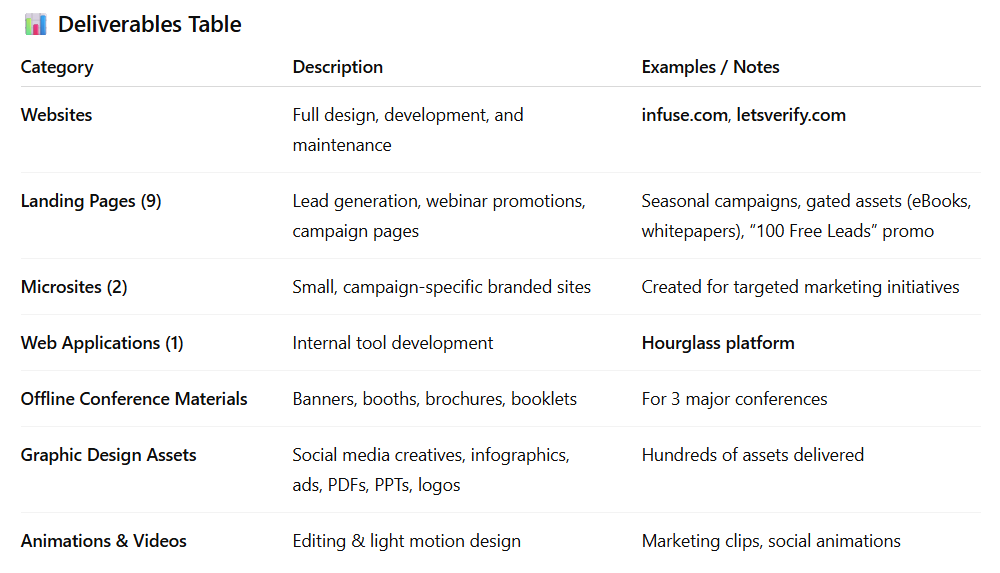
During my time at INFUSEmedia, our team delivered a wide range of digital products, including:
What a Typical Day Looked Like
A look inside my time reports shows the distribution of typical daily activities, which included:
creating, planning, and distributing tasks
coordinating with designers and developers
managing deadlines and priorities
performing QA checks
communicating with teams and clients
planning and leading PM calls
resolving unclear or incomplete specifications
reviewing progress and status reports
reading and writing internal and external emails
testing and optimizing workflows
organizing backlogs
No two days were the same — but every day required ownership, attention to detail, and the ability to keep multiple threads moving forward without losing control.
Rebuilding the Workflow: From Asana to Bitrix
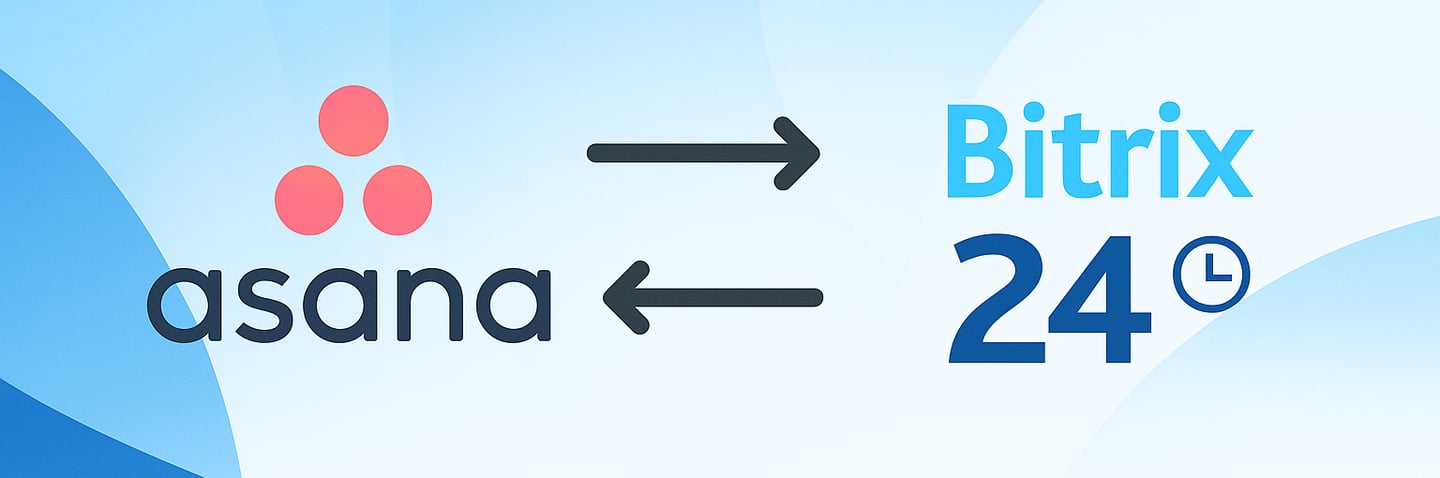
One of the biggest operational challenges was the fragmented project-management setup.
To streamline workflows, the company decided to migrate fully to Bitrix24. I played a central role in making that transition work in practice.
🔄 My Contribution to the Bitrix Migration
manually transferring active projects, tasks, and team members
adapting task structures and custom fields to real workflow needs
identifying and reporting platform issues (e.g. lost comments, UI lag)
proposing improvements for deal creation, task flows, and QA stages
documenting internal processes for new users
onboarding and supporting team members during the transition
It wasn’t simply a technical migration. It was a behavioral shift — changing how a 7-designer team worked, tracked time, communicated, and documented progress.
As the system stabilized, communication improved, task ownership became clearer, and I finally gained a consolidated view of workload distribution and priorities across the team.
Coordinating the Team and Managing Daily Workflows
At the core of my role was a simple but demanding responsibility: making sure everyone knew what to do, when to do it, how to do it, and why it mattered — while accurately translating client requirements into clear, actionable guidance for the team.
I organized workloads based on:
skill level
task urgency
project priority
client-specific requirements
designers’ availability
historical performance
cross-team dependencies
Coordinating a creative team meant understanding individual strengths, working styles, and communication preferences — and adjusting accordingly.
📦 Examples of Coordinated Output
Through my coordination, designers and developers produced materials such as:
seasonal campaigns (e.g. Thanksgiving, Christmas)
infographic series
landing pages
website updates
award campaign visuals
article illustrations
webinars
whitepaper and eBook templates
animations
social media content kits
I also acted as a central coordination point across teams, with a clear focus on keeping work flowing, reducing friction, and protecting quality.
🤝 Cross-Department Collaboration
I served as the bridge between different teams, including:
marketing
design
copywriting
development
operational leadership
QA specialists
clients
My goal was always the same:
keep work flowing smoothly, avoid bottlenecks, and ensure high-quality output — even under tight deadlines and changing priorities.
Challenges and How I Handled Them
Complex environments naturally create friction.
⚠️ Challenges I Faced
Some of the recurring challenges I faced included:
heavy cognitive load due to task-switching gaps
misalignment between designers and QA expectations
slow content approvals
unclear specifications from stakeholders
platform bugs in Bitrix (lost comments, slow updates)
need for better prioritization and delegation across the team
differences in availability across time zones
occasionally contradictory feedback loops
🧠 How I Addressed Them
I addressed these challenges by:
asking clarifying questions early
proposing improvements to processes
reorganizing priorities based on urgency and impact
communicating delays early and transparently
mitigating conflicting feedback through structured discussions
defining clearer agendas and expected outcomes for PM calls
improving task descriptions for faster QA
recommending automations where possible
I learned to navigate complex personalities, reduce emotional reactivity, and maintain balanced communication even under pressure.
Soft Skills & Personal Growth
My time at INFUSEmedia was not just about tasks — it was about growth.
Through intense workload periods, shifting priorities, and daily decision-making, I strengthened:
🌱 Key Soft Skills I Developed
Prioritization — learning to choose meaningful tasks over quick dopamine hits
Delegation — trusting designers and enabling them to own parts of the process
Assertiveness — learning when to say “no” or push back respectfully
Emotional balance — staying composed across high-pressure cycles
Communication — keeping interactions professional, concise, and clear
Leadership maturity — coordinating multiple personalities, expectations, and responsibilities
These lessons shaped how I now work as a digital marketing professional and project lead.
Handover & Responsible Exit
When I resigned in January 2022, INFUSEmedia hired three people to replace the scope of my duties — a testament to the volume and complexity of my role.
I organized a complete handover:
documented ongoing projects
assigned task ownership
explained workflows
introduced new coordinators to designers and marketing managers
ensured there were zero interruptions to any project
I left the company responsibly, with colleagues expressing gratitude and appreciation.
💬 Quotes from Colleagues
“Thank you for your patience, responsibility, and diligence. I hope your next job will bring you a lot of joy and happiness.”
— Anna
“Your dedication and attention to detail made it possible for our projects to be completed on time and to the highest quality. Your next team will be lucky to have you.”
— Form feedback (Anonymous)
These words reflect the relationships built and the trust earned during my time in the role.
Key Achievements Summary
🚀 Impact at a Glance
Coordinated 7 designers across multiple time zones
Acted as the central operational link between marketing, copywriting, design, and development
Delivered 3 websites, 9 landing pages, 2 microsites, and 1 web app
Implemented and optimized workflow systems (Asana → Bitrix)
Managed hundreds of creative tasks across web, design, and development
Oversaw content production for 3 conferences
Ensured consistent quality and timely delivery
Provided a smooth handover that required 3 replacements
Earned strong internal feedback for reliability and attention to detail
Closing Thoughts
My role at INFUSEmedia was one of the most formative periods of my professional life. It challenged me, expanded my capabilities, and shaped the project management approach I use today across marketing, content, and creative teams.
I didn’t just coordinate projects.
I built systems.
I supported teams.
I ensured quality.
I contributed to processes that made creative production more predictable, scalable, and efficient.
Most importantly, I grew — both professionally and personally.
Looking for someone who can manage complexity, coordinate cross-functional teams, and deliver digital projects with clarity, structure, and precision?
Let’s connect.
📧 mykyta.petukhov@gmail.com
📱 WhatsApp: +39 371 615 2923
Address
03043 Cassino (FR)
Italy
Connect
© 2026. All rights reserved.