
How I Used Google Ads to Grow Online Sales
AMS GROUP S.R.L.S.
Mykyta Petukhov
12/8/20255 min read
Introduction
When I joined AMS Group as a Digital Marketing Specialist, one of my first major challenges was to bring paid acquisition to a company that had never sold online before.
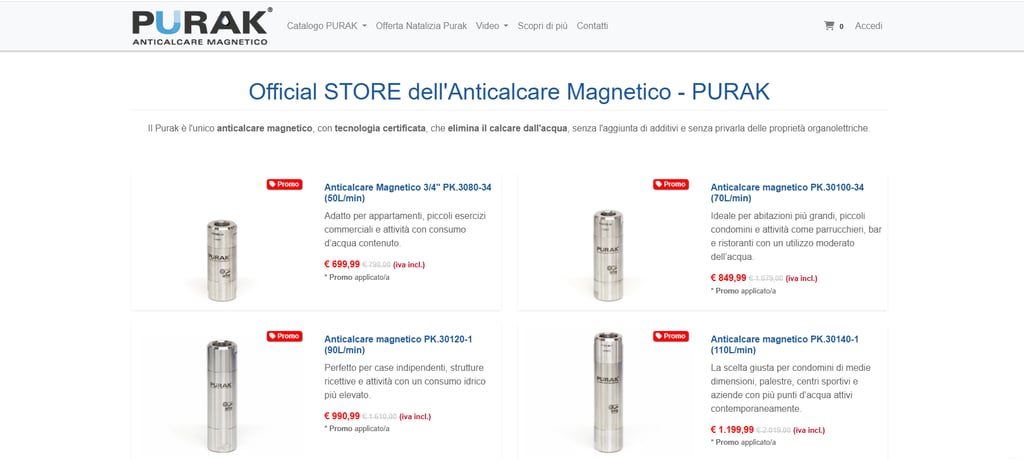
Purak, a magnetic anti-limescale solution, was traditionally sold through emails, phone calls, sending price quotations, and personal contact with customers. Together with the team, we decided to test a new direction: launching an e-commerce channel and supporting it with performance marketing.
This is the story of how I built and managed my first Google Ads ecosystem from zero, from account creation to profitable campaigns in the Italian market.
👉 The full story of how we launched the e-commerce website itself is covered in a dedicated article. Here I focus specifically on Google Ads and paid acquisition.
Context & My Role
Company: AMS Group – PURAK
Product: Magnetic anti-limescale devices
Market: Italy
Period: March – September 2025
I was responsible end-to-end for Google Ads:
Creating and configuring the Google Ads account
Defining campaign structure and strategy
Performing keyword & competitor research
Writing ads and extensions
Setting up tracking with GTM
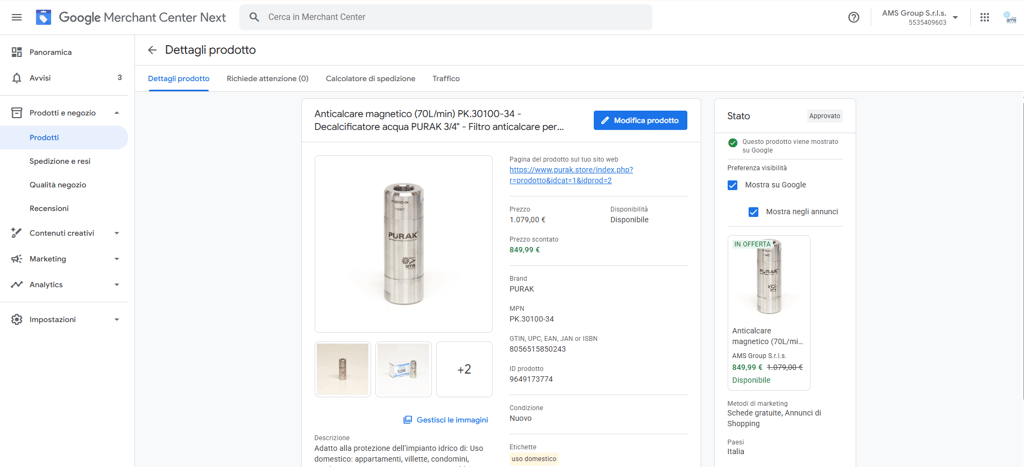
Registering and managing Google Merchant Center
Optimizing bids, budgets, feeds, and performance
Reporting and continuous iteration
I collaborated only with a designer for some product images. Everything else — strategy, setup, execution, optimization — was in my hands.
This was my first real Google Ads project, and I had to build everything from the ground up.
Business Challenge
We were selling a premium product in a market where many users were used to cheaper or “quick fix” solutions for limescale.
What I observed from early data:
Users clicked and explored product pages.
They read descriptions, watched videos, checked images.
But many left without purchasing.
The main barrier wasn’t campaign quality — it was price sensitivity and the need for human reassurance before buying.
Many customers still preferred:
personal contact,
asking questions,
or negotiating a discount.
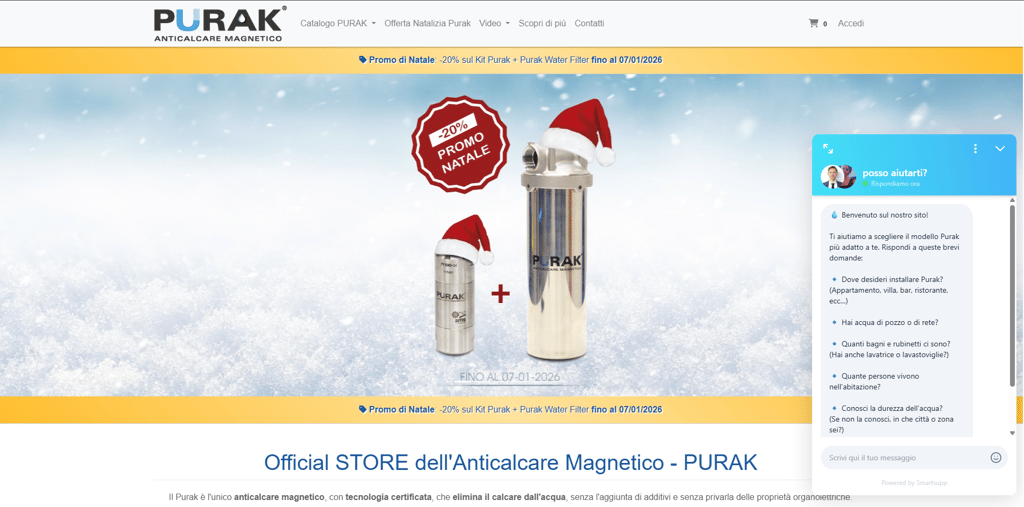
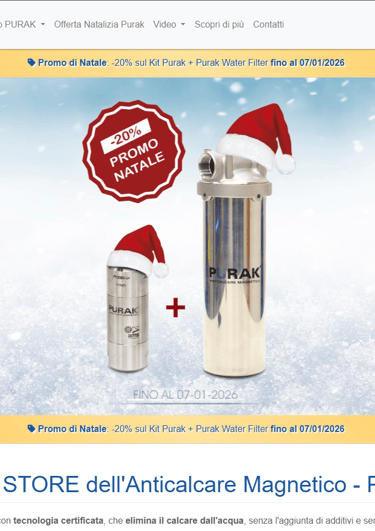
To mitigate this, we supported campaigns with seasonal promotions and special discounts, and enhanced direct communication by integrating a live chat (SmartsApp) and a WhatsApp link with FAQs, helping bridge the gap between interest and conversion.
Strategy: Full-Funnel Google Ads Ecosystem
I structured the system around two websites with different roles:
🔹 purak.eu — Institutional Website
Goal: Educate & build trust
Campaigns:
Search
Display
Here I targeted informational and problem-aware queries, explaining how PURAK works and why it’s different.
🔹 purak.store — E-commerce Website
Goal: Sell products directly
Campaigns:
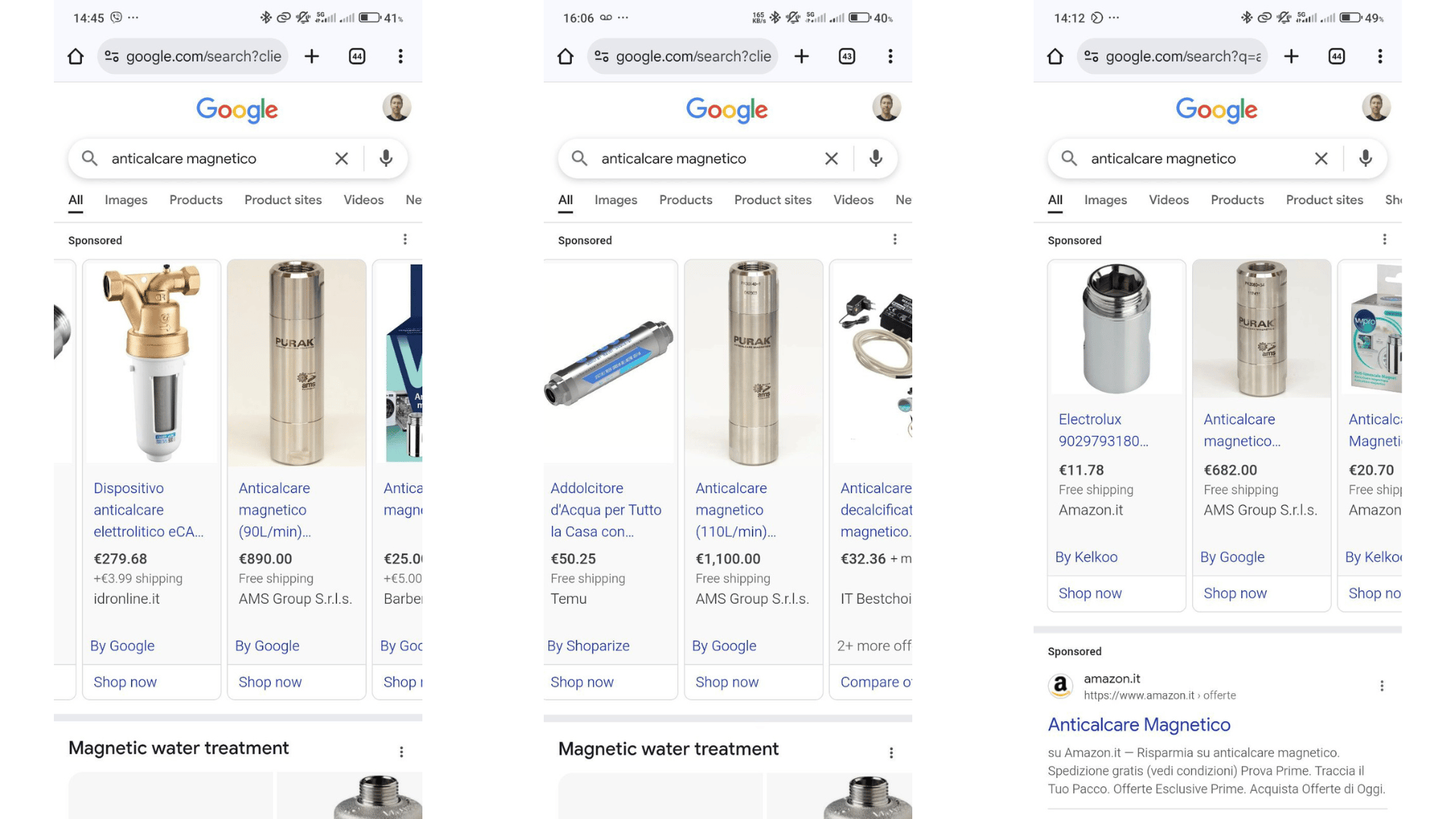
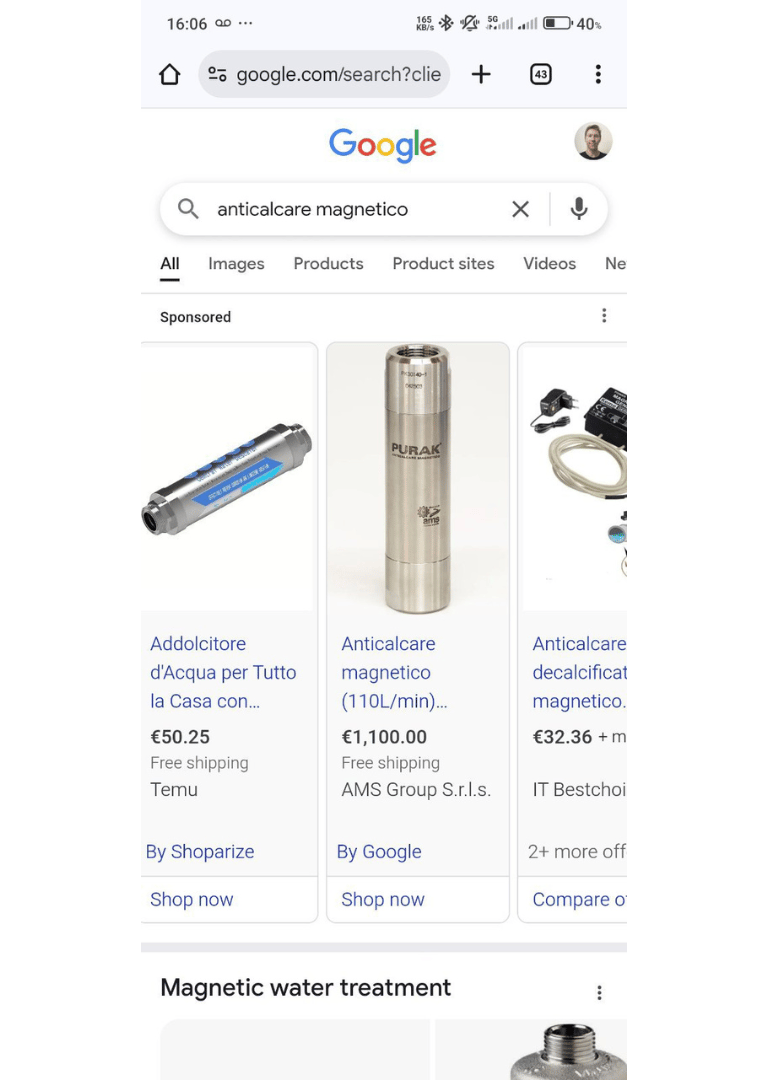
Shopping
Performance Max
Here I focused on transactional intent and product visibility.
This allowed me to cover the entire funnel:
awareness → consideration → conversion.
Campaign Types I Managed
Over the project I built and optimized:
Search campaigns – intent-driven keywords, match types, negatives.
Display campaigns – awareness and remarketing.
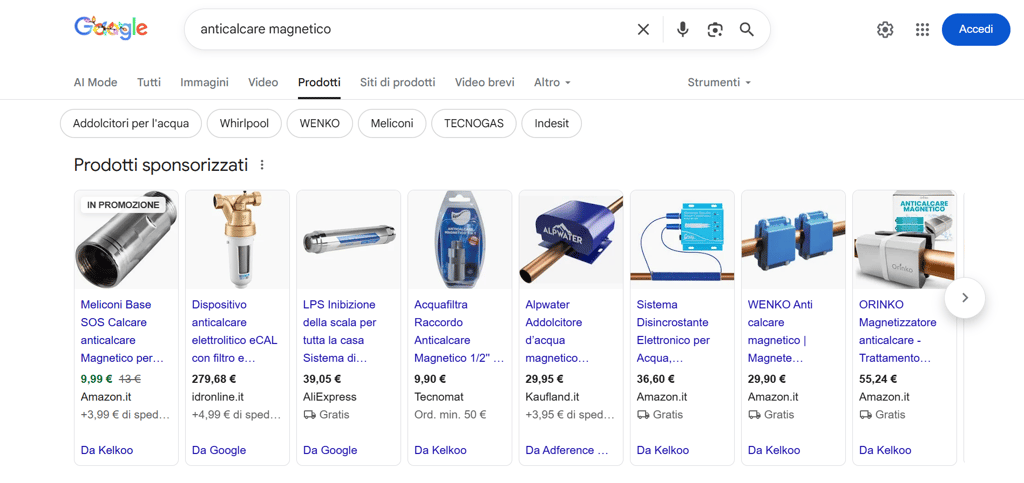
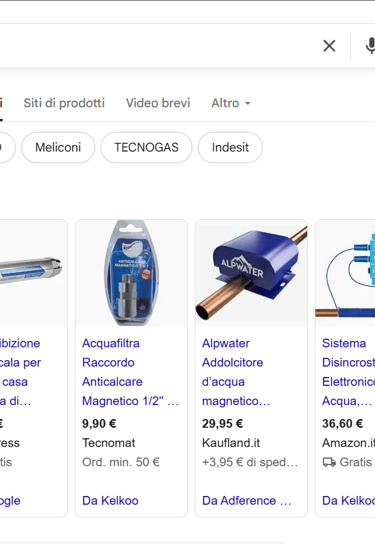
Shopping campaigns – product-level visibility in SERPs.
Performance Max – full-funnel automation combining assets and feeds.
Each campaign type was designed to support a different stage of the acquisition funnel and overall business goals.
From Clicks to Business Value: Goal Evolution
At the beginning, we had no historical data and no conversion tracking.
Phase 1 — Data & Traffic
I started with:
Maximize Clicks bidding
Focus on traffic, visibility, and learning.
This helped:
validate keywords,
collect search term data,
understand user behavior.
Phase 2 — Performance & Revenue
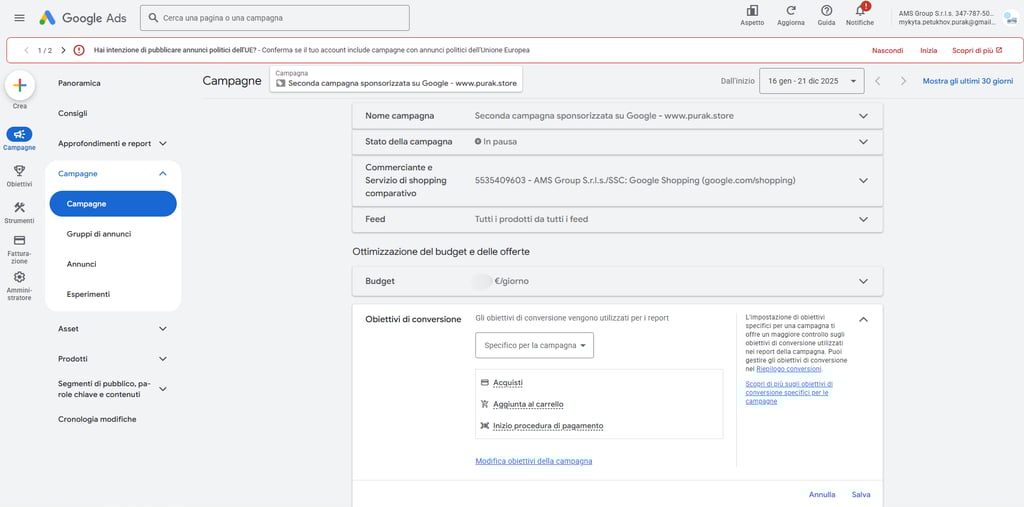
After implementing tracking, I switched to:
Maximize Conversions
Maximize Conversion Value / ROAS
This naturally increased CPA, but shifted the system toward real business outcomes, not just traffic.
This transition marked the moment when campaigns became truly performance-driven.
Tracking & Tech Stack
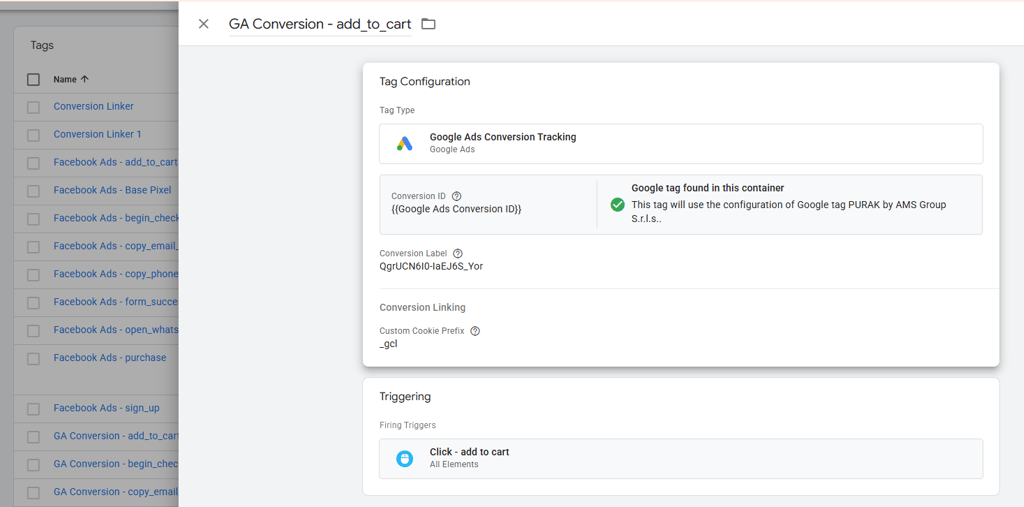
I personally implemented:
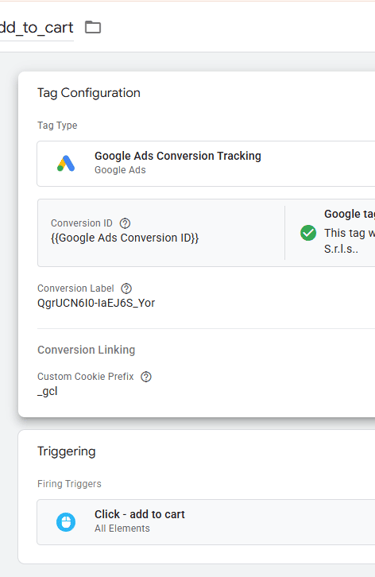
Google Tag Manager
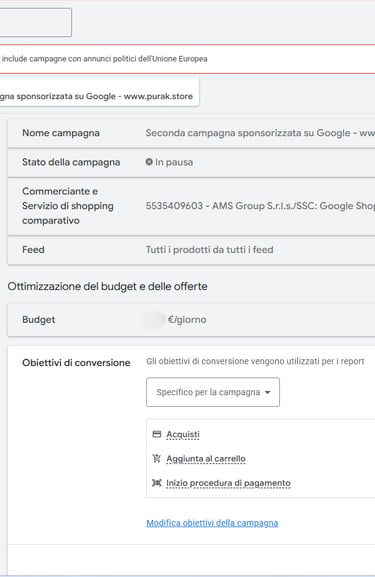
Google Ads conversion actions
Conversion Linker
Integration between website, GTM, and Google Ads
This allowed me to:
track purchases and key actions,
feed algorithms with clean data,
optimize for value, not assumptions.
Without solid tracking, optimization is guesswork. This setup was the backbone of the whole project.
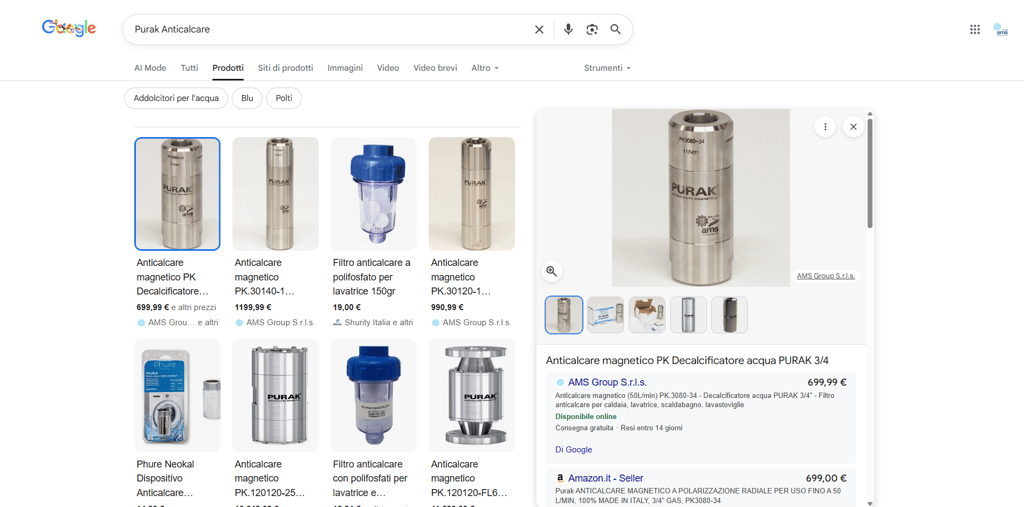
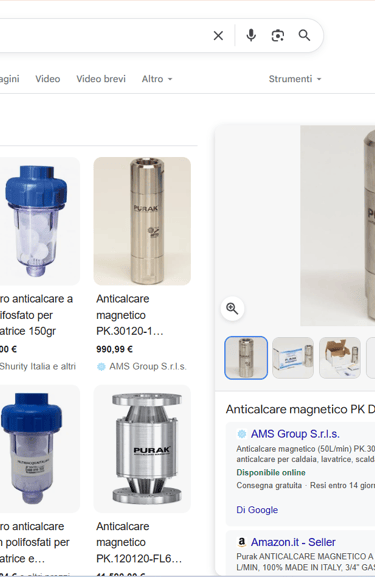
Google Merchant Center & Shopping SEO
To run Shopping and Performance Max, I had to:
Register and configure Google Merchant Center
List all products correctly
Upload and maintain the feed
Ensure compliance and approvals
Beyond just listing products, I optimized:
product titles with keywords and attributes,
descriptions for clarity and intent,
images for quality and CTR.
This wasn’t only for Ads: it also strengthened our overall product content strategy.
Optimization Work (Technical Focus)
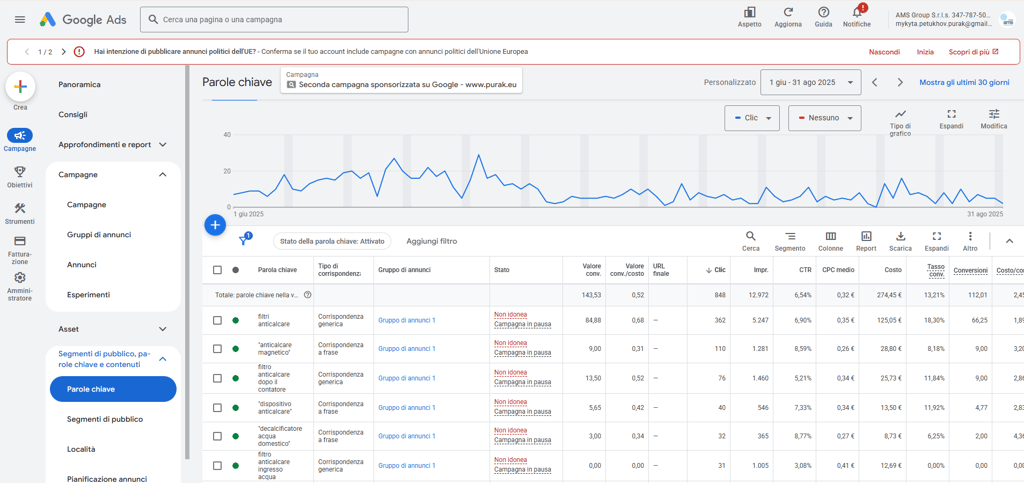
On a continuous basis, I worked on:
Keyword research & expansion
Search terms mining and negatives
Match type balancing
Ad copy testing & extensions
Audience signals & remarketing lists
Bid strategies & learning phases
Budget allocation & pacing
Device, geo, and time-of-day adjustments
Feed improvements for Shopping & PMax
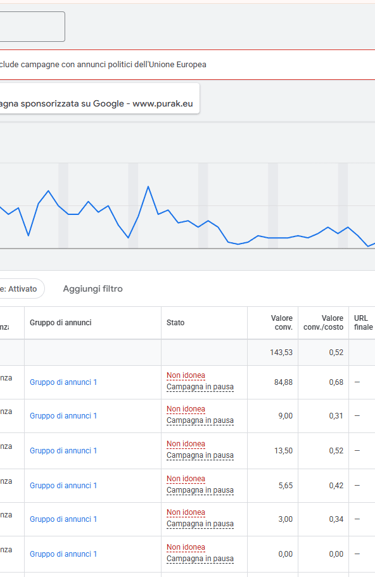
CPC, CPA, ROAS monitoring
I treated Google Ads as a system to engineer, not just a dashboard to watch.
Competitor & Market Analysis
Before and during execution, I analyzed:
competitors selling similar solutions,
their messaging and positioning,
how they used pricing, trust, and claims in ads,
which formats they prioritized.
This helped me:
differentiate our value proposition,
adapt ad copy,
and choose smarter keyword strategies.
Results (March – September 2025)
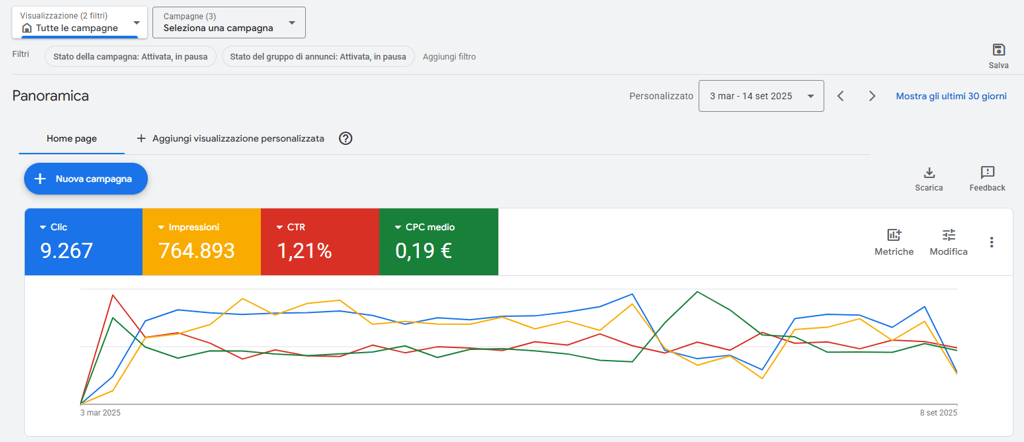
With a budget of a few hundred euros per month, in the Italian market, I achieved:
9,267 clicks
764,893 impressions
CTR: 1.21%
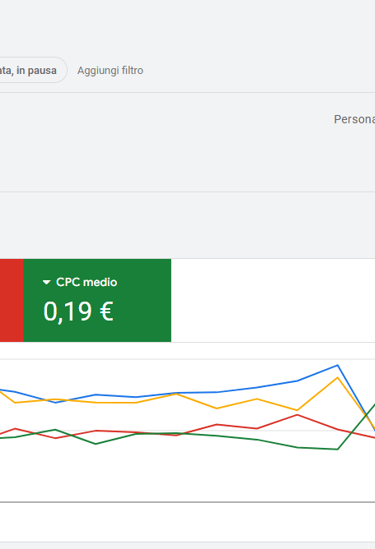
Average CPC: €0.19
Most importantly:
✅ Revenue generated from sales exceeded ad spend, resulting in a positive ROI.
While I don’t disclose absolute revenue, the campaigns proved that:
Purak could be sold online,
Google Ads could be profitable even with a limited budget,
and the channel proved to be a viable and profitable acquisition source.
Synergy with SEO
The work I did for Google Ads strongly supported SEO:
keyword research → site keyword strategy,
feed titles/descriptions → product page optimization,
competitor analysis → content direction.
As a result, paid acquisition and organic growth reinforced each other, improving the overall visibility of the e-commerce website.
Key Learnings
This project taught me:
How to distinguish informational vs transactional intent.
How to manage cold vs warm traffic.
Why automation (PMax) still needs strong inputs.
How to shift mindset from traffic KPIs → business KPIs.
How pricing and trust can be bigger barriers than ads themselves.
How to build a performance system starting with zero data.
Personal Growth
This was where my paid media journey truly started.
I:
created accounts from scratch,
built feeds and tracking,
launched campaigns,
made mistakes, learned, iterated, optimized,
and turned theory into real results.
Managing Google Ads for Purak gave me a practical foundation in performance marketing that I continue to build on today across other platforms and projects.
Final Thoughts
This case represents more than just numbers.
It shows my ability to:
take ownership,
learn fast,
connect strategy with execution,
and drive measurable impact in a real business context.
If you’re interested in how I approach paid acquisition, analytics, and growth — this is where it all began.
Address
03043 Cassino (FR)
Italy
Connect
© 2026. All rights reserved.