
What It Takes to Run a B2B Website in 7 Languages
AGIERRE S.R.L.
Mykyta Petukhov
12/13/20254 min read

What It Takes to Run a B2B Website in 7 Languages
AGIERRE S.r.l.
Mykyta Petukhov
12/13/2025 - 4 min read
🌍 Context: why a multilingual website matters
in B2B industry
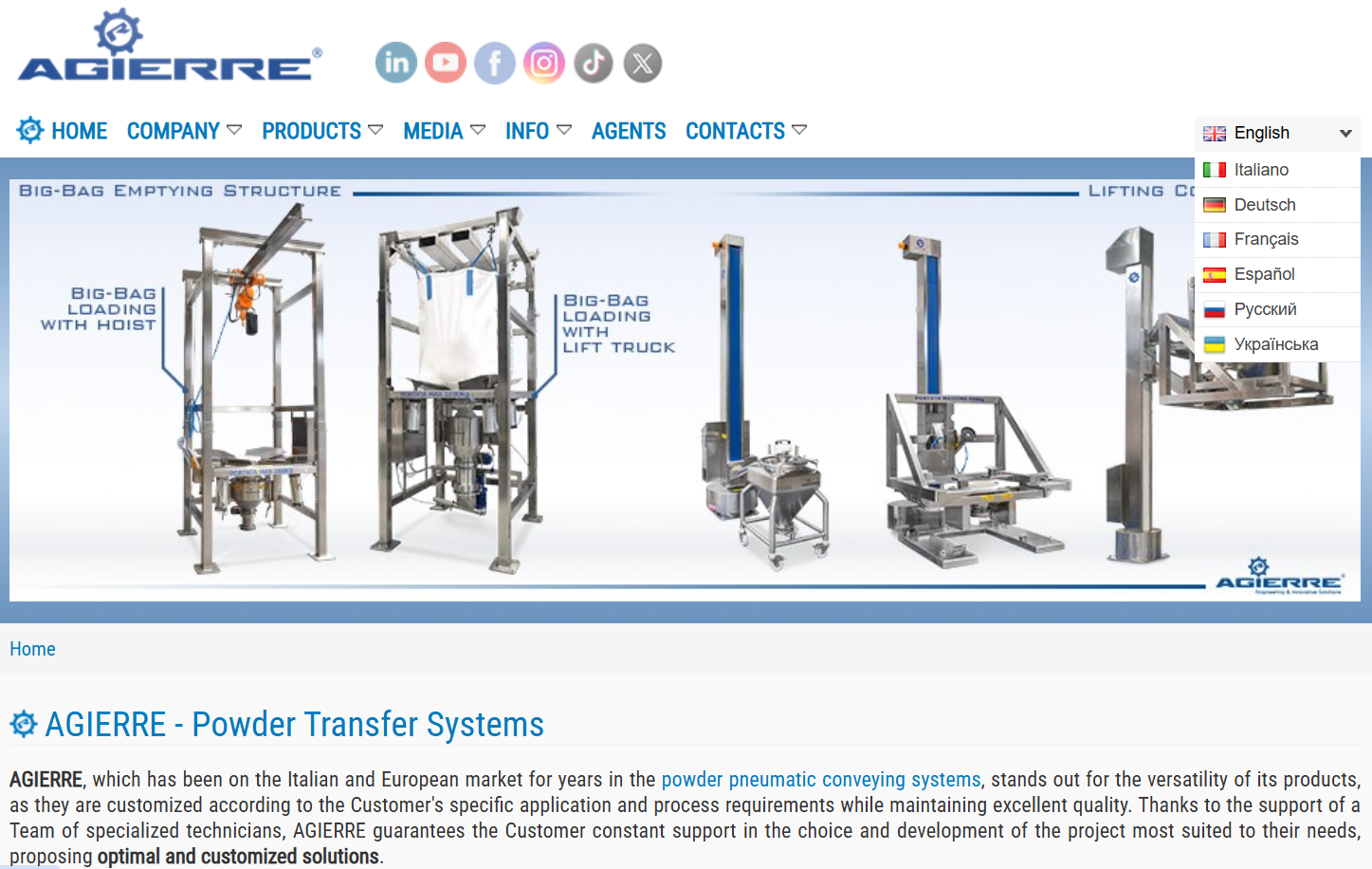
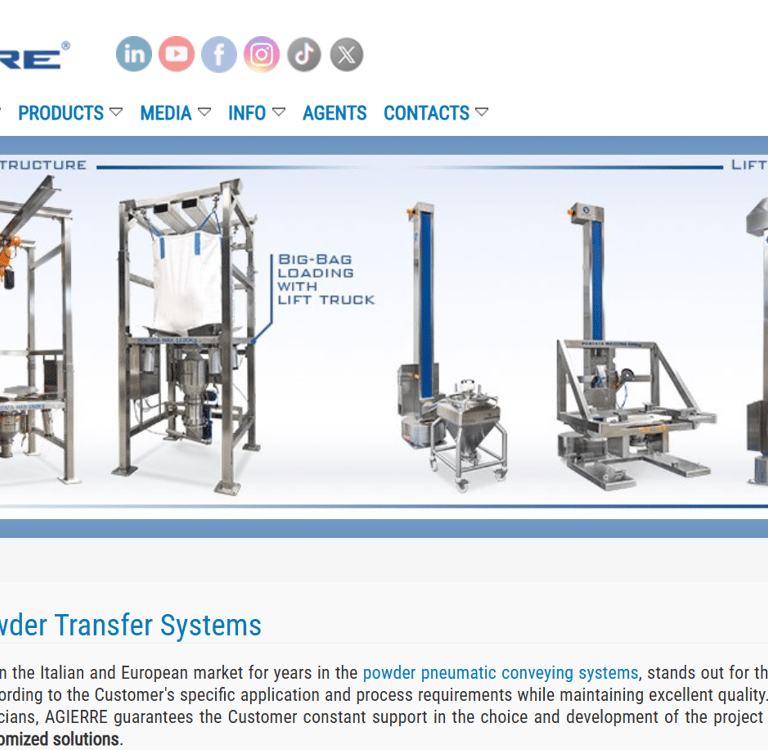
AGIERRE is an Italian industrial company designing and manufacturing systems for powder handling and processing. Its products are sold and distributed worldwide through a network of agents, partners, and international clients.
In this context, a multilingual website is not a branding exercise.
It is a core commercial and marketing asset.
Making the website available in seven languages supports:
international lead generation
brand credibility abroad
sales activities across multiple regions
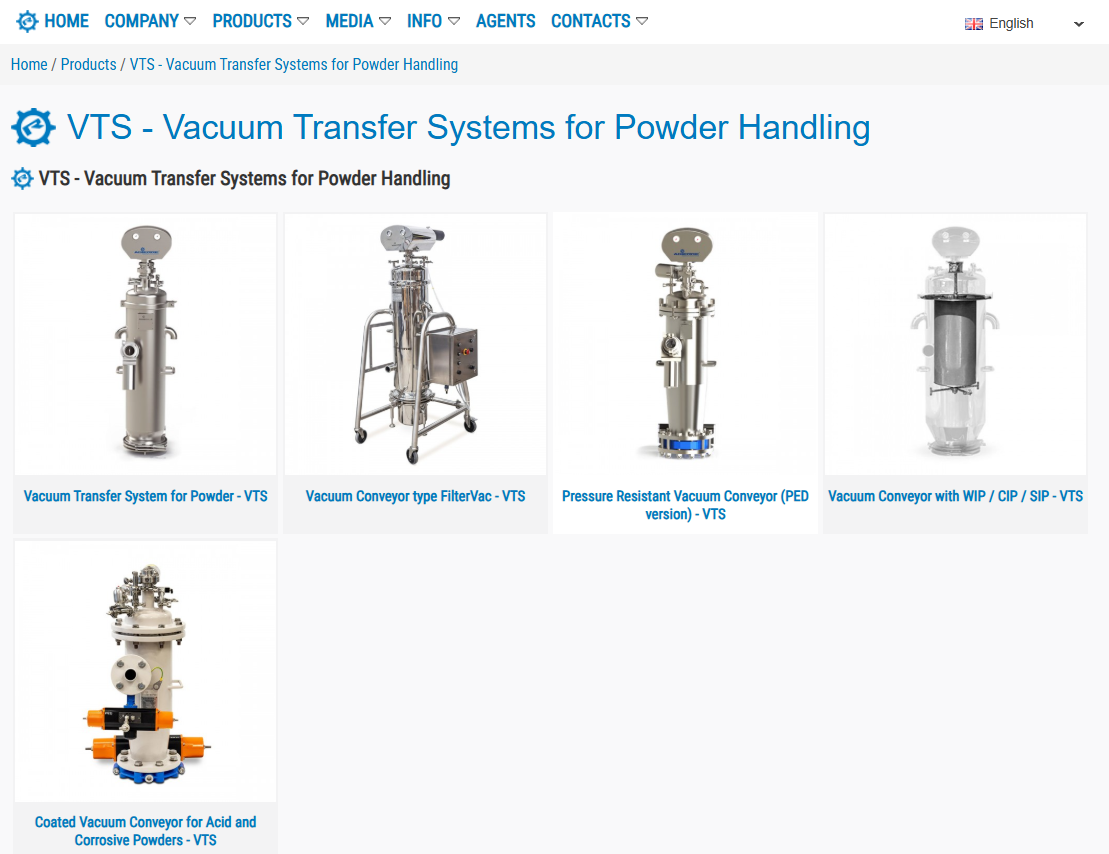
When I joined the marketing department, AGIERRE’s website was technically available in seven languages: Italian, English, German, French, Spanish, Russian, and Ukrainian. However, the reality behind this setup told a different story.
⚠️ Starting point: multilingual in theory, not in practice
At the beginning of my work on the website, the multilingual structure lacked governance and consistency.
Key issues included:
many pages available only in Italian and English
missing translations for other languages
outdated content from both a content and SEO perspective
no analytics or tracking in place
The website was not connected to:
Google Analytics
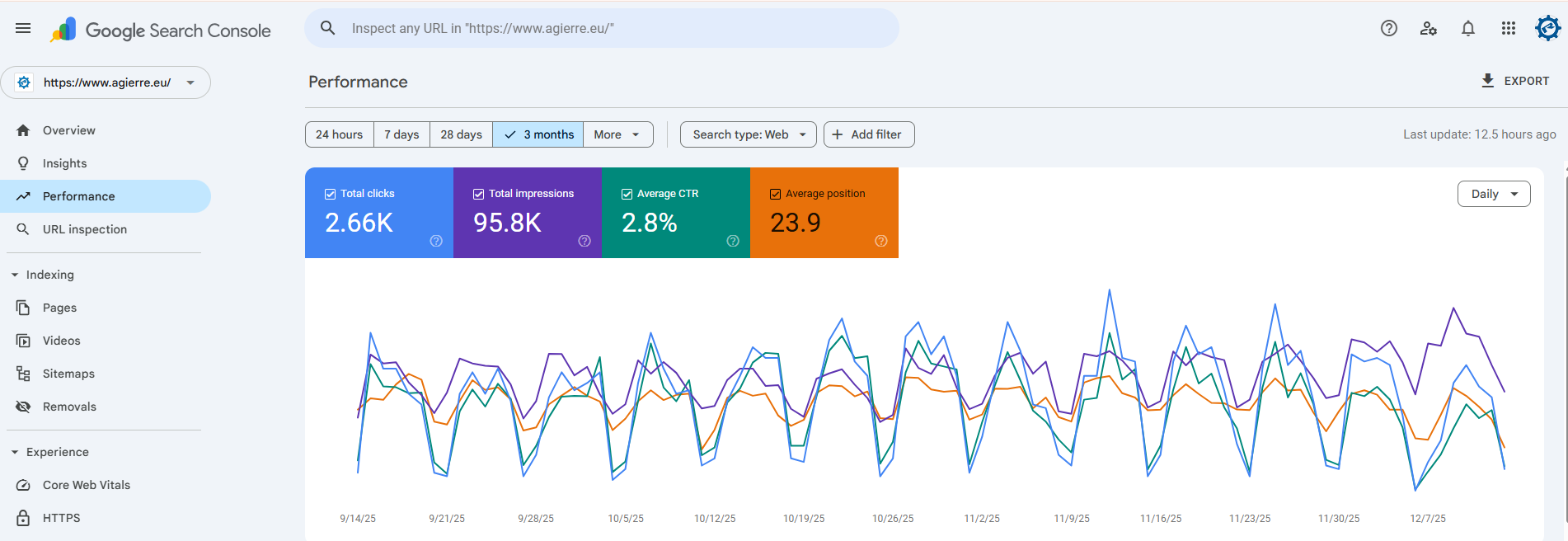
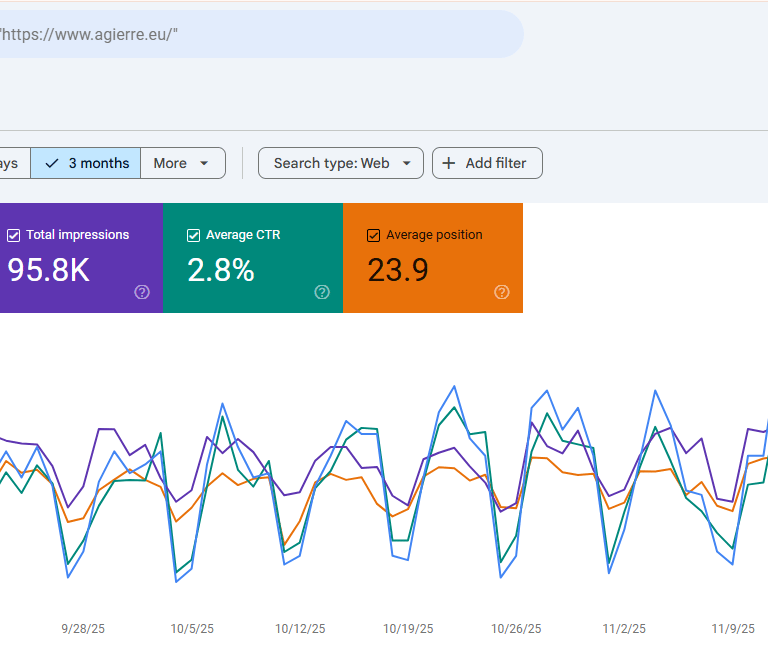
Google Search Console
No tracking was implemented via Google Tag Manager, making performance analysis almost impossible.
👤 My role and responsibilities
As part of the marketing department, I had direct operational responsibility for the website.
I handled the project end to end, including:
multilingual content creation, translation, and localization
SEO optimization for each language and product page
analytics and tracking setup
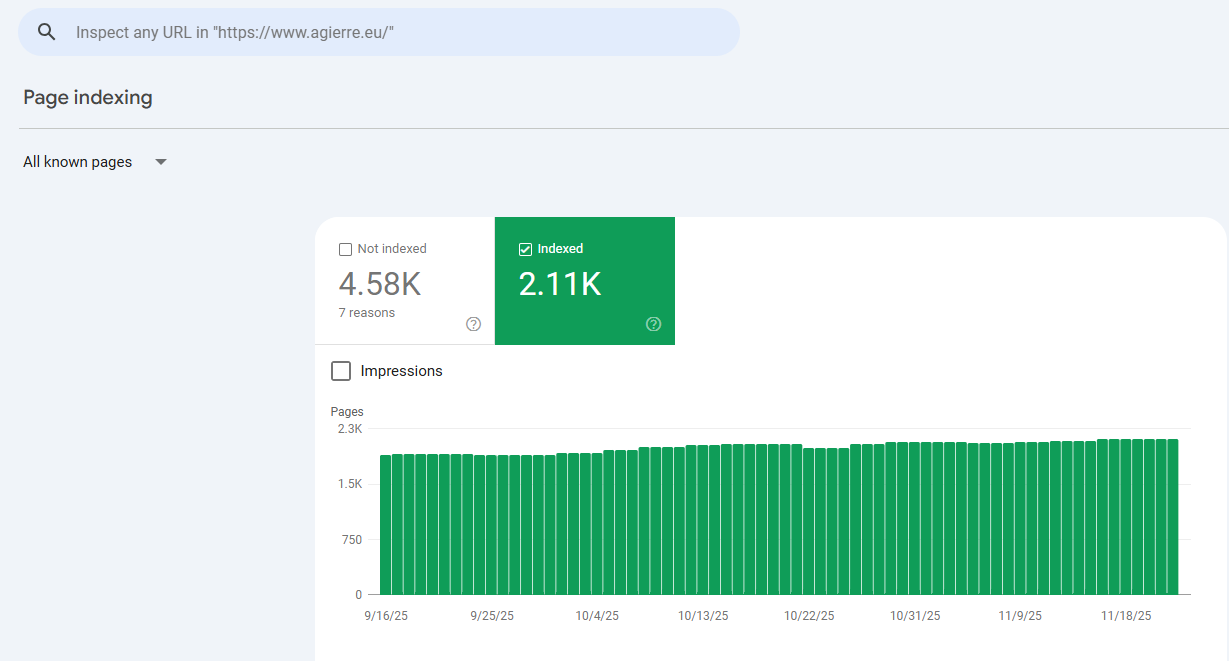
indexing and monitoring via Google Search Console
publishing updates directly on the website
I also collaborated with the developer on specific technical changes, while retaining ownership of content, SEO, and performance.
Key point: this was not advisory work — I was responsible for execution.
🌐 Multilingual strategy: translation was not enough
One core principle guided this project:
word-for-word translation does not work in B2B industrial marketing.
Credibility in technical markets depends on:
correct industry terminology
alignment with local search intent
language that sounds natural to professionals in each market
Key focus: localization, not literal translation.
To optimize operations, I used a hybrid workflow:
AI-assisted translations (ChatGPT Premium) for speed and scalability
manual review and refinement of every text to ensure technical accuracy
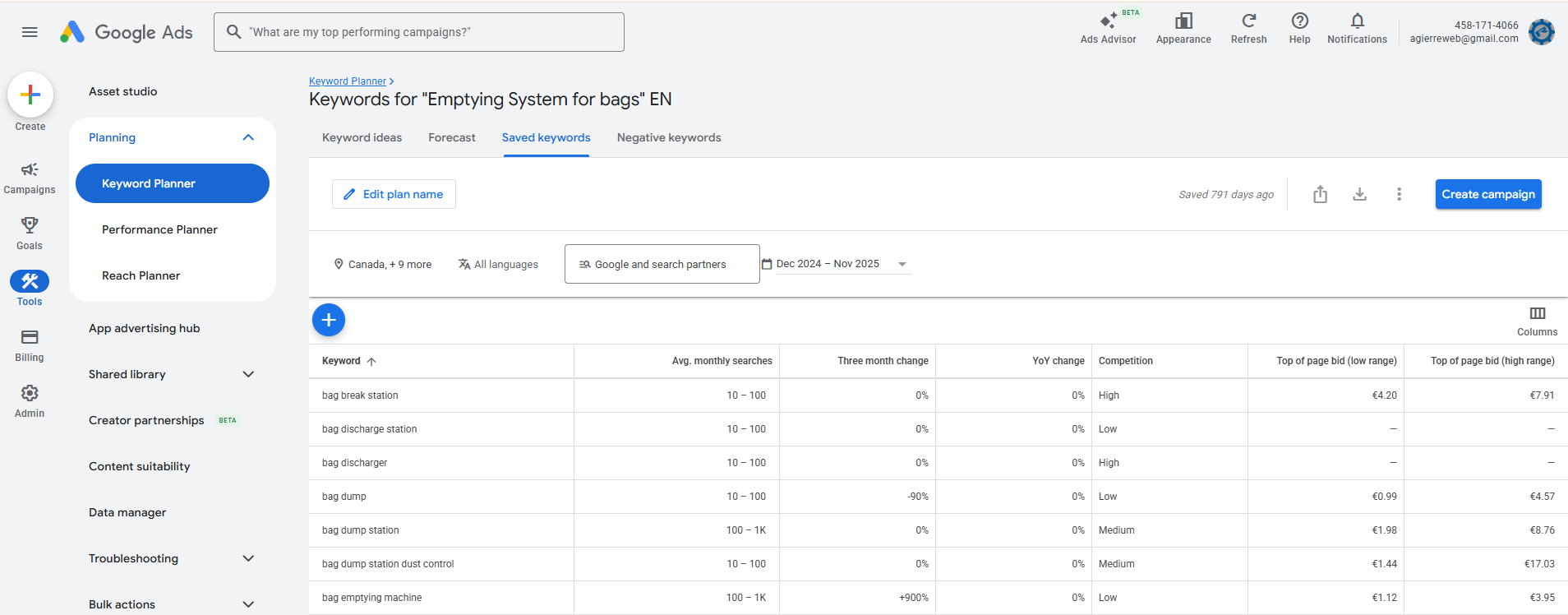
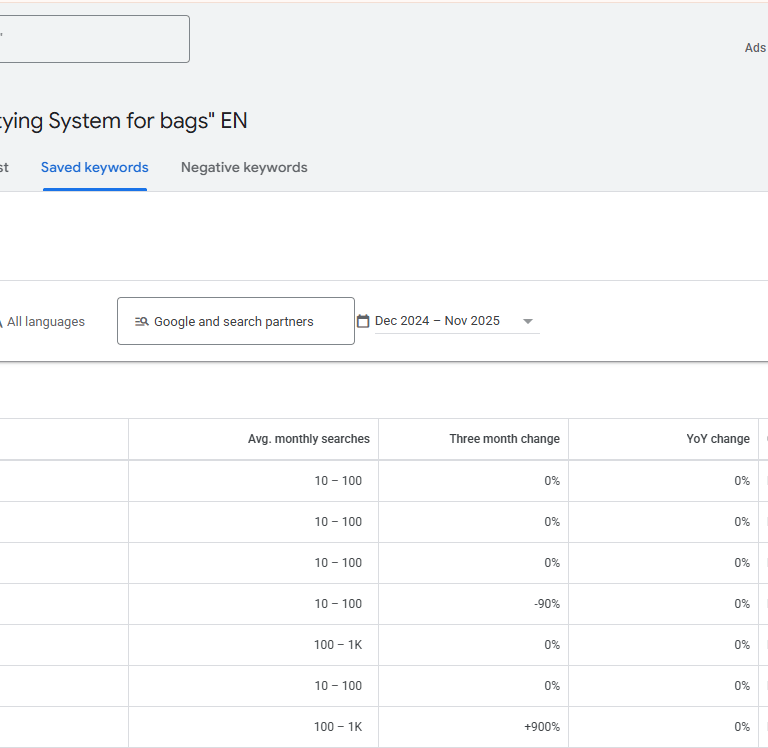
Before translating or updating any page, I conducted competitor and SERP analysis in each target market. Tools used included:
Ahrefs
Google Ads Keyword Planner
Google Search data
Keyword research and competitor analysis were performed separately for every product and every language, with the goal of maximizing SEO relevance and credibility.
✍️ Content execution and website updates
Beyond strategy, I was directly involved in hands-on execution.
My work included:
updating existing pages
creating missing language versions
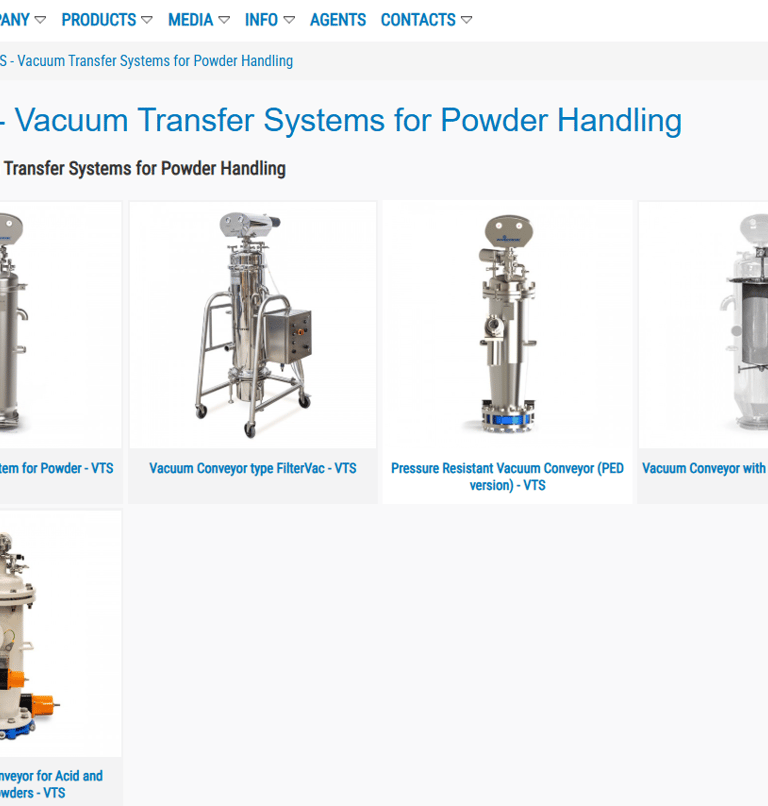
maintaining consistency across all seven languages
revising outdated content
I also edited page templates and managed more complex content sections, ensuring that the website remained coherent and scalable.
All updates were published by me, ensuring full control over quality and consistency.
🔍 Indexing and international visibility
Publishing content is only effective if it is properly indexed and discoverable.
I personally managed:
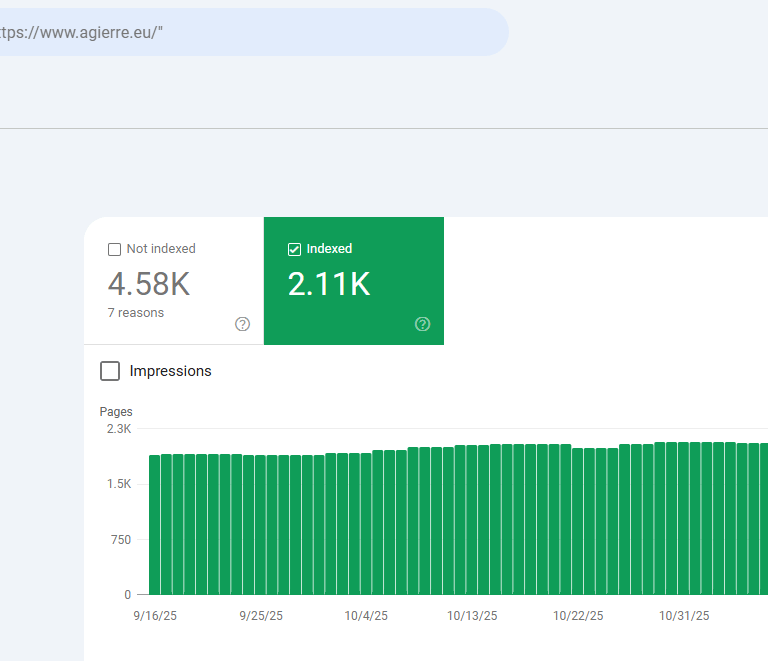
page indexing
coverage monitoring
identification and resolution of indexing issues
This ensured that multilingual pages were correctly surfaced in search results across different markets.
📈 Results and impact
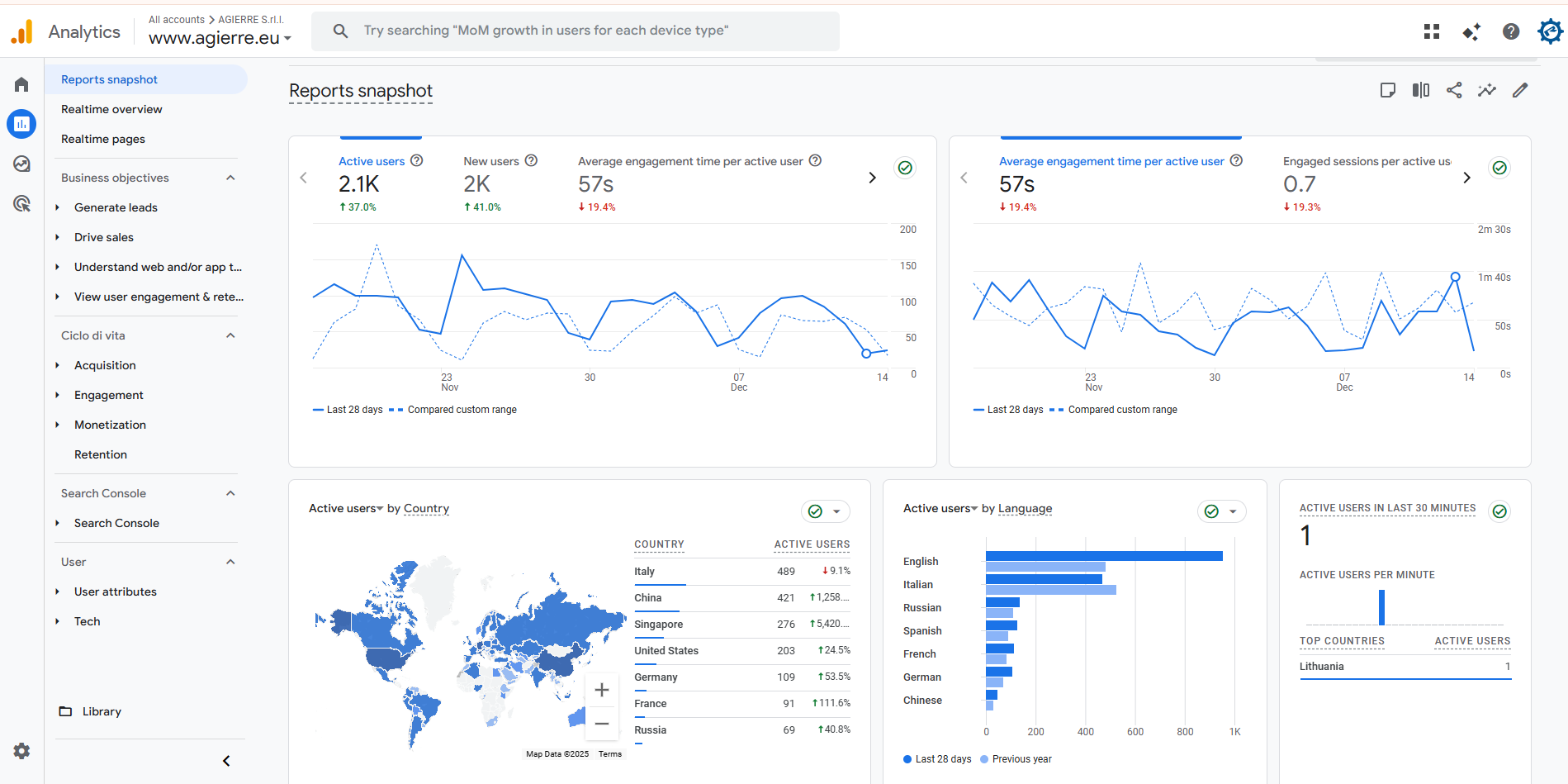
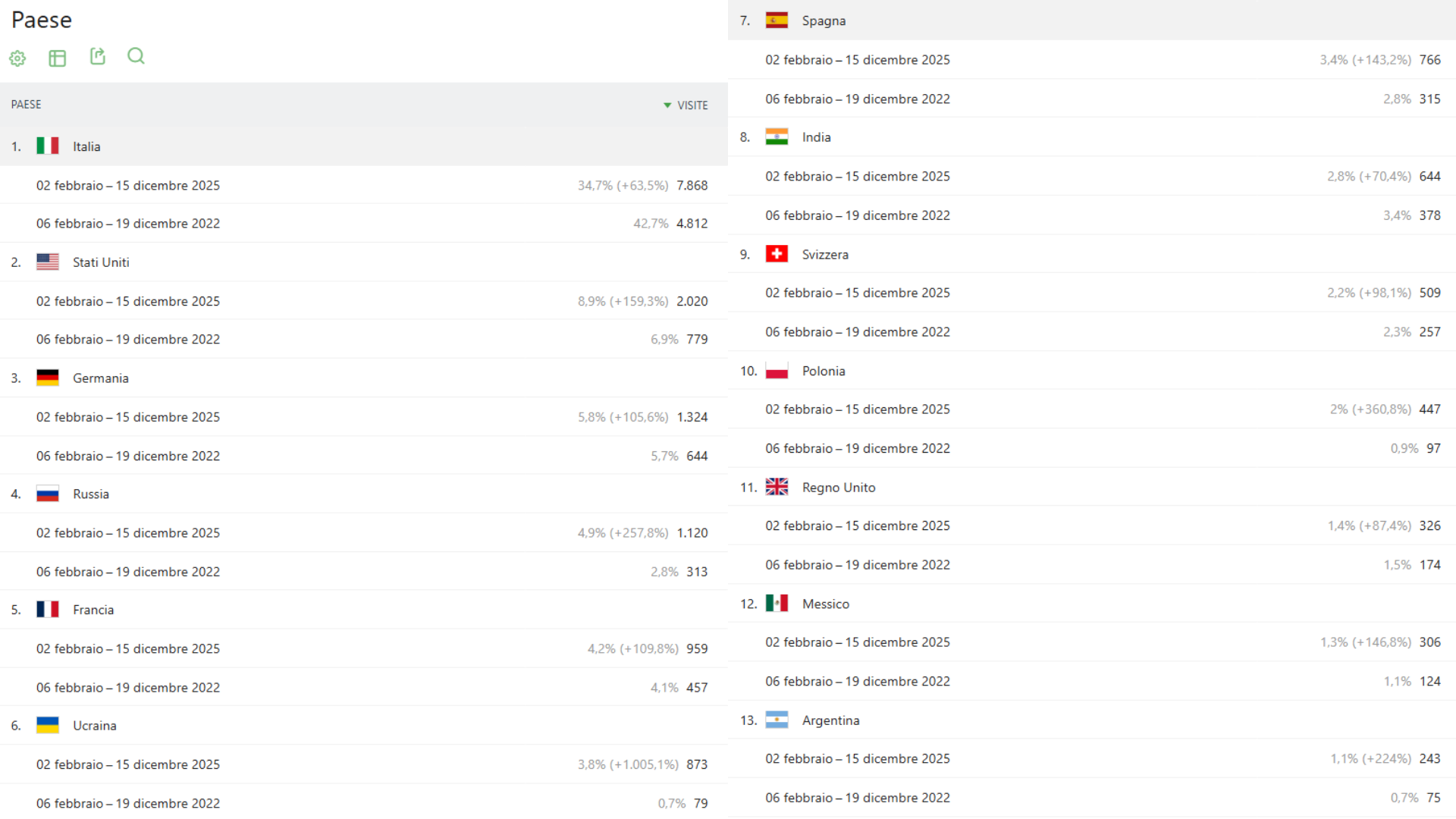
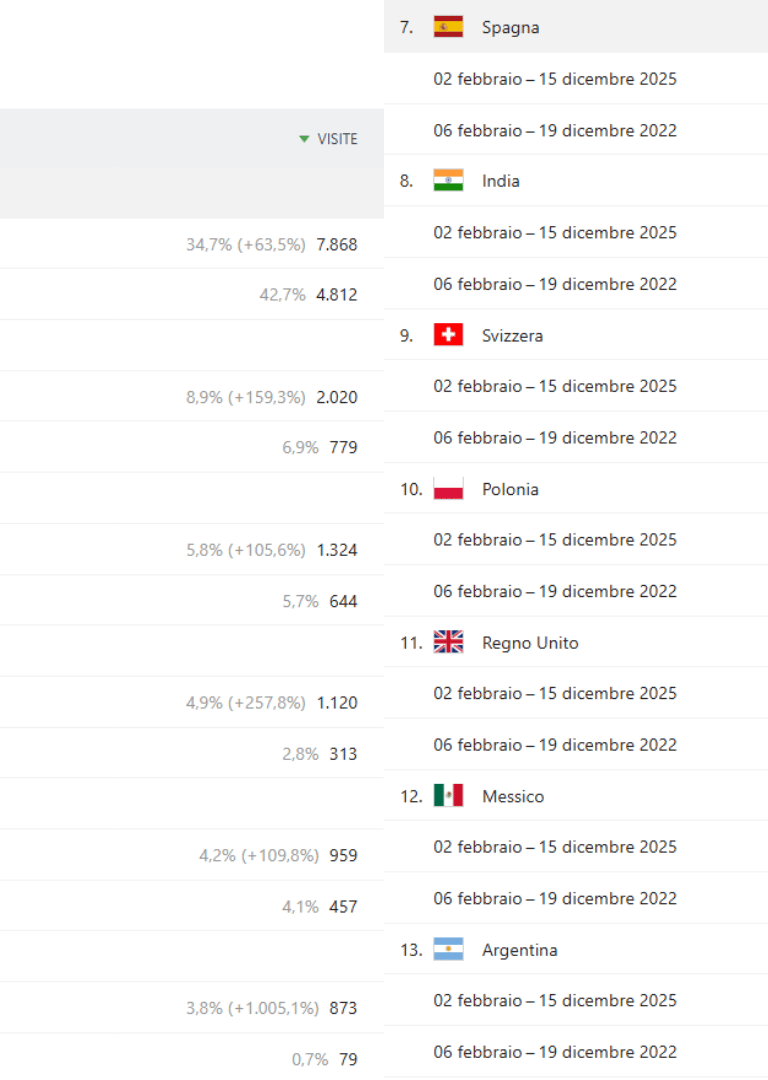
While the current year is still ongoing and I intentionally avoid precise figures, the overall trend is clear.
Over a three-year period:
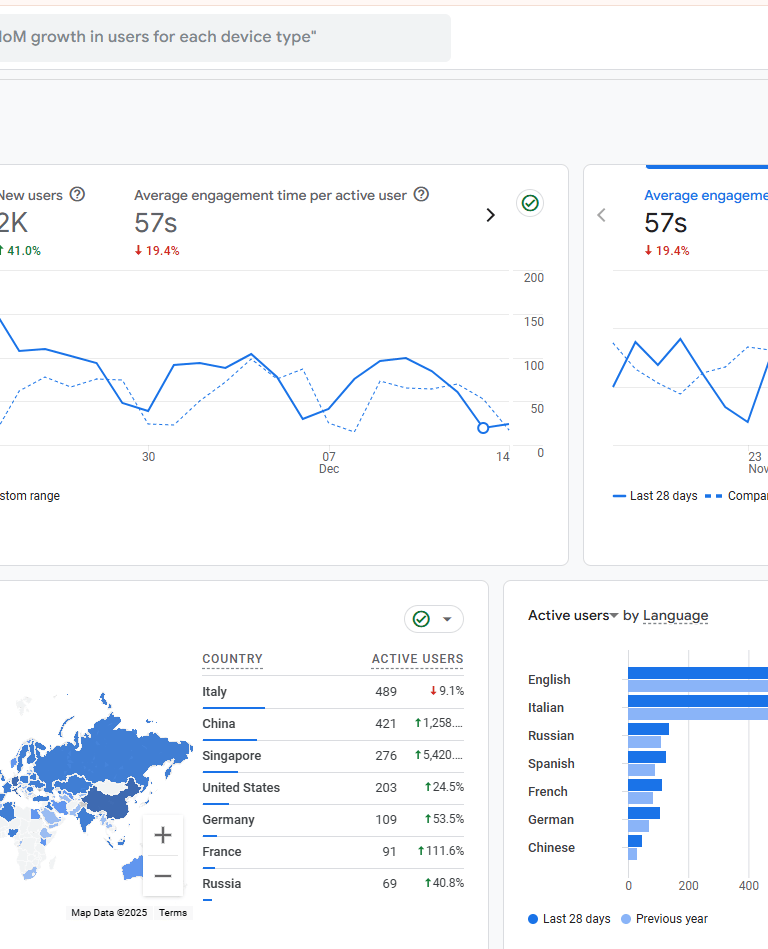
international traffic increased
geographic distribution of visitors became significantly broader
the website evolved into a scalable international marketing asset
Beyond traffic, the project improved:
content consistency
maintainability across languages
long-term scalability
🧠 Key takeaways
This project reinforced several principles that define my approach:
Successful multilingual websites require coordinated content, SEO, and technical control
localization is essential for B2B credibility
SEO, content, tracking, and execution must work together
scalability matters as much as short-term performance
📈 📊 Tracking and analytics setup
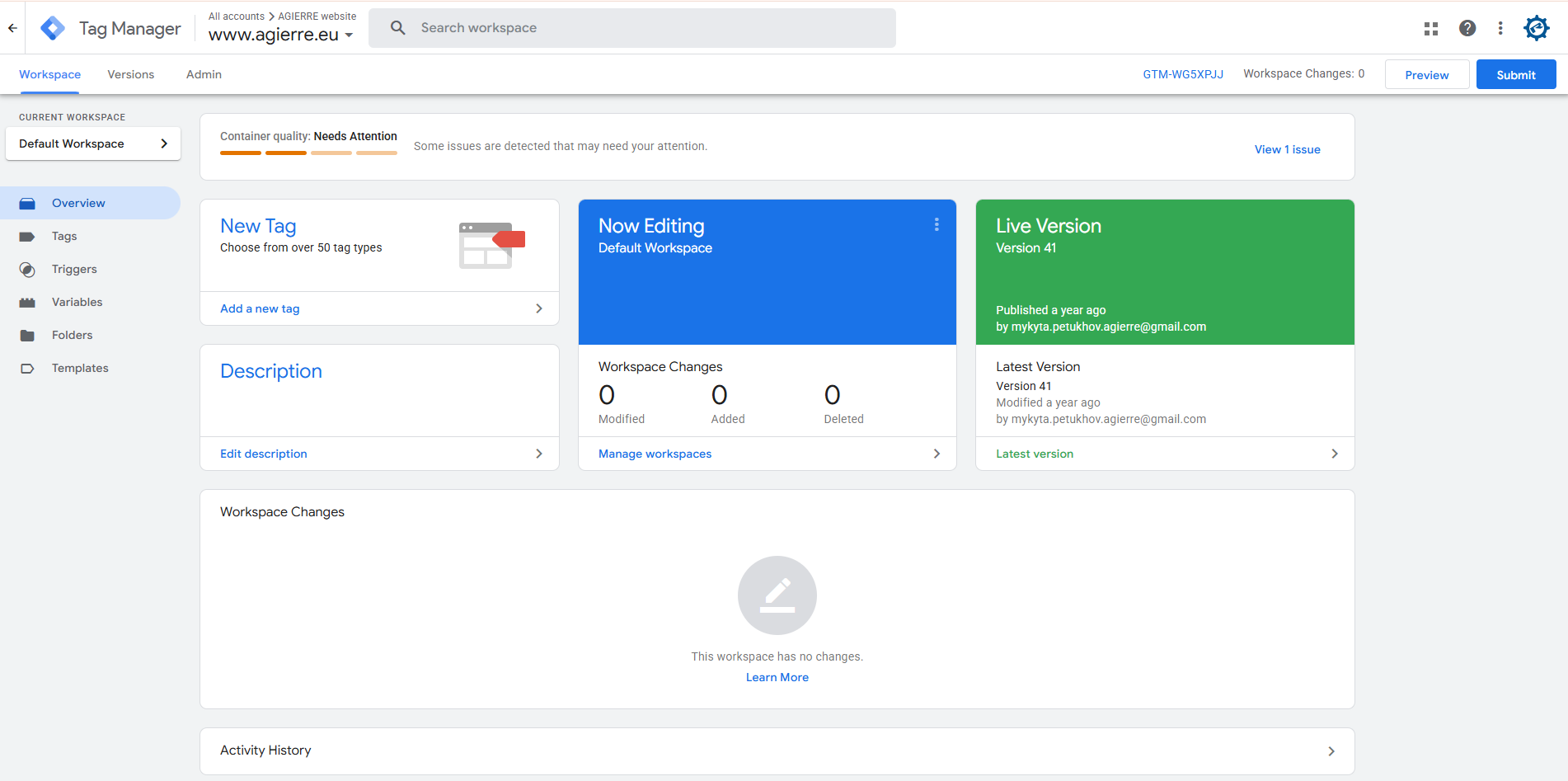
A crucial part of the project was building a solid data foundation.
I implemented Google Tag Manager to manage tracking efficiently and connected the website to:
Google Analytics
Google Search Console
🤝 Let’s work together
This case study reflects how I approach complex digital marketing projects in international B2B environments: strong ownership, hands-on execution, and a focus on long-term impact.
If you’re looking for someone who can manage multilingual websites, SEO, content, and analytics with real responsibility, let’s connect.
👉 Get in touch and let’s discuss how we can work together.
Address
03043 Cassino (FR)
Italy
Connect
© 2026. All rights reserved.